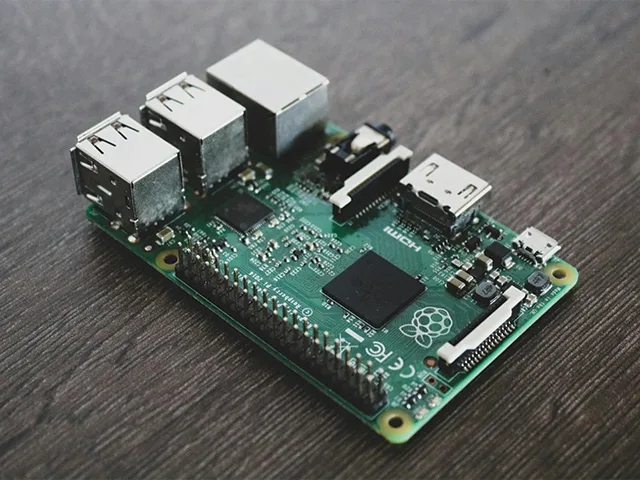

Welcome to our page dedicated to IT outsourcing, an essential practice for streamlining operations. IT outsourcing is a pillar of modern efficiency, giving companies access to specialised expertise and innovative solutions. Discover how IT outsourcing can revolutionise the way your business approaches technology and improves performance, security and agility.
I. Introduction to IT outsourcing
A. What is IT outsourcing?
IT outsourcing is the process by which a company turns to an external provider to manage or support its technology operations and needs. It involves handing over responsibility for the development, implementation, maintenance or support of IT systems and infrastructure to third parties that specialise in the field.
Through IT outsourcing, a company can delegate a wide range of tasks such as network administration, technical support, software development, cybersecurity or even cloud infrastructure. This process lets businesses draw on the expertise and resources of a specialised partner, cutting internal costs and freeing them to focus on the core aspects of the business.
Moreover, IT outsourcing brings flexibility and scalability, allowing businesses to adapt quickly to change and respond to requirements more efficiently. In this way, IT outsourcing becomes an essential element in optimising resources and increasing competitiveness in an environment of constant technological change.
B. The benefits of IT outsourcing
- Cost reduction: IT outsourcing can significantly cut operating expenses by removing the need to hire and maintain a large in-house team. Companies pay only for the services they need, without bearing the ongoing costs of staff and infrastructure.
- Access to specialised expertise: Businesses that specialise in IT services offer a high level of knowledge and experience. This expertise can deliver faster, more accurate and more efficient solutions to technology problems and to the specific needs of the business.
- Focus on core activities: IT outsourcing lets companies concentrate on their main activities and growth strategies, while external partners take care of the technology and operational side.
- Flexibility and scalability: An outsourcing partnership offers the flexibility to quickly adjust technology capacity in line with the fluctuating needs of the business. This means fast adaptation to growth requirements or changes in the market.
- Risk reduction: IT outsourcing businesses are often geared towards risk management, including cybersecurity and legal compliance. They can provide better protection against security threats and manage risks more effectively.
- Access to advanced technologies: Through an outsourcing partnership, companies can gain access to the latest technologies and tools without investing significant sums in research and development.
The benefits of IT outsourcing can be tailored to the specific needs and objectives of each company, but in general these advantages bring a substantial increase in efficiency and competitiveness.
C. The history of IT outsourcing
The history of IT outsourcing can be traced over a considerable span, from the earliest use of technology in business to its evolution into what we know today. Here are some key moments in the history of IT outsourcing:
- The 1960s-1970s: The beginnings of IT outsourcing appeared alongside the growing use of computers in the business world. Companies started outsourcing data processing and certain IT tasks to specialised third parties.
- The 1980s: IT outsourcing began to develop into a more widespread practice as technology expanded. Companies started outsourcing services such as network administration, technical support and software development so they could focus more on their core activities.
- The 1990s: With the growth of the internet and globalisation, IT outsourcing became an attractive option for many companies. Many IT services were outsourced to countries with lower labour costs, a phenomenon known as "offshore outsourcing".
- The 2000s-2010s: The emergence of cloud computing and infrastructure management services changed the IT outsourcing landscape. Companies began to rely more heavily on cloud services to outsource data storage and management.
- Today: IT outsourcing has become common practice in the business world. Companies rely on partnerships with specialised businesses for a wide range of IT services, from technical support and network administration to software development and cybersecurity.
The history of IT outsourcing mirrors technological evolution and the ever-changing needs of businesses. From outsourcing simple data processing tasks to complex, comprehensive partnerships that manage the entire IT infrastructure, this practice has become an essential component of the business strategies of many companies today.
II. Types of IT outsourcing services
A. Outsourced technical support services
Outsourced technical support services are a vital component of IT outsourcing and cover many aspects of managing and resolving technical issues. These services are delivered by specialised businesses and can include:
- General technical assistance: Providing user support for resolving common software, hardware or network problems. This support can be delivered by phone, by email or through a ticketing system.
- Diagnostics and troubleshooting: Identifying and resolving technical problems, whether they relate to hardware, software applications or the network. These can be remote or on-site interventions, depending on the needs and urgency of the problem.
- Preventive maintenance: Applying updates, security patches and general system upkeep to prevent more serious problems or major outages from occurring.
- Incident and request management: Continuous monitoring of systems to identify incidents and respond quickly to minimise their impact on the business. This category also covers service requests for configurations, updates or changes.
- Training and documentation: Providing training materials and documentation to help users understand and make more effective use of the technology and systems involved in the business.
Outsourced technical support services are essential for keeping a company's operations running and ensuring that employees can work without major technical problems. Choosing a specialised partner for these services can bring significant benefits, including reduced downtime, increased efficiency and access to high-quality expertise in resolving technical issues.
B. Outsourcing software development
Outsourcing software development means contracting a specialised third party to build applications, programs or other software solutions in place of, or in collaboration with, a company's in-house team. This type of outsourcing can cover a wide range of services and areas, including:
- Custom software development: Companies can outsource the development of custom software applications to meet their specific needs and obtain solutions tailored to their requirements.
- Web and mobile application development: Outsourcing businesses can build web or mobile applications, from simple apps to complex platforms, adapted for different devices and operating systems.
- Testing and quality assurance: Outsourced software development can also include testing software products to ensure they work correctly and comply with quality standards.
- Enterprise system and CRM solution development: Companies can outsource the development of enterprise systems or CRM (Customer Relationship Management) solutions to manage customer relationships more effectively or to consolidate internal operations.
- System integration and implementation: Outsourcing can also cover the integration of different software systems or the implementation of software solutions within a company's existing infrastructure.
The benefits of outsourcing software development include access to specialised experts and resources, lower development and testing costs, the flexibility to scale the team as needed, and the freedom to focus on other aspects of the business without investing time and resources in in-house software development.
It is important that the outsourcing process is properly managed and monitored to ensure effective collaboration and achieve the desired results in software product development.
C. Cybersecurity in outsourcing
Cybersecurity in outsourcing is a crucial aspect, given that outsourcing often involves access to a company's sensitive data and critical infrastructure. It refers to implementing and maintaining security measures that protect information and systems against cyber threats in an environment where IT services are managed by third parties.
Here are some key aspects of cybersecurity in the context of outsourcing:
- Compliance and security standards: Making sure the IT service provider meets industry-specific standards and the compliance requirements of applicable legislation. This can include standards such as ISO 27001 or the GDPR (General Data Protection Regulation).
- Access management and privilege control: Implementing an effective access management system to restrict access to data and systems to authorised people only. Privilege control is essential to prevent unauthorised access to sensitive information.
- Continuous monitoring and rapid incident response: Constant monitoring of networks and systems to quickly detect potential security threats or incidents. A well-defined and tested incident response plan is essential to react promptly to attacks or newly discovered vulnerabilities.
- Vulnerability testing and assessment: Carrying out regular security tests, audits and assessments to identify and fix potential vulnerabilities in security systems and processes.
- Education and awareness: An essential component of cybersecurity is educating employees and raising their awareness of security risks and protective measures. Ongoing staff training is crucial to prevent incidents caused by human error.
Cybersecurity in outsourcing requires close collaboration between the company and the IT service provider to ensure the protection and integrity of data and infrastructure. A solid partnership and open communication are fundamental to maintaining a secure environment and responding effectively to security threats.
III. The IT outsourcing process
A. The stages of IT outsourcing
The process of outsourcing IT services involves several stages, each with its role in ensuring an efficient and successful transition to external partners. Here are the main stages of IT outsourcing:
- Initial assessment and planning: The company identifies its needs and objectives for IT outsourcing. It analyses which services or processes will be outsourced, evaluates internal resources and sets the criteria for selecting a suitable partner.
- Provider research and selection: At this stage, potential IT service providers are identified and evaluated. Their offers are compared, discussions are held and their fit with the company's needs and values is assessed.
- Contract negotiation: The final contract with the chosen provider is drafted and negotiated. The contract must cover all key aspects, including the services provided, service levels, financial terms, legal aspects and data security.
- Implementation and transition: At this stage, services or processes are transferred to the external provider, either gradually or all at once. Transition processes are set up, teams are prepared and everything is checked to make sure it runs smoothly.
- Relationship management and performance monitoring: After outsourcing, the company manages the relationship with the external provider and monitors its performance. Regular meetings are held to evaluate the services and adjust processes where necessary.
- Continuous optimisation and adaptation: The outsourcing process does not end once the services have been transferred. The company must remain flexible and continuously adapt its relationship with the external provider to maximise efficiency and achieve the best possible results.
Every stage matters and requires particular attention to ensure the successful outsourcing of IT services. Clear communication and close collaboration between the company and the external provider are essential to avoid misunderstandings and ensure a smooth, efficient transition.
B. Key factors for successful IT outsourcing
Success in outsourcing IT services depends on several key factors, and handling them properly is crucial to achieving the desired results. Here are some essential factors for successful IT outsourcing:
- Clear objectives and expectations: Clearly defining objectives and expectations is essential to steer the outsourcing process. The company must know exactly which services or processes it will outsource and what results it wants.
- Choosing the right partner: Choosing a suitable IT service provider is crucial. It is important to assess their experience, expertise, reputation and ability to deliver high-quality services in line with the company's requirements and values.
- Effective communication and collaboration: Open communication and close collaboration between the company and the external provider are essential. It is important to establish clear communication channels and maintain a solid relationship to avoid misunderstandings and address problems promptly.
- Risk and security management: Managing risk and security is a critical aspect. Emphasis must be placed on the security of data and systems, confidentiality must be clearly defined, and measures must be taken to minimise cybersecurity risks.
- Setting key performance indicators (KPIs): Defining relevant, measurable KPIs is important for evaluating the external provider's performance. These KPIs should be aligned with the company's strategic objectives and allow progress to be monitored over time.
- Flexibility and adaptability: It is essential to remain flexible and adaptable throughout the outsourcing process. Situations can evolve, and the ability to adjust or change strategy is important in responding to shifts in the business environment.
- Continuous evaluation and improvement: It is important to evaluate the outsourcing process regularly and constantly look for ways to improve the collaboration and the results achieved.
Success in outsourcing IT services depends on a strategic approach, careful management of the relationship with the external provider and a continuous focus on achieving the objectives set at the outset.
C. The risks of IT outsourcing and how to manage them
IT outsourcing comes with certain risks, and managing them is crucial to ensuring the success and security of the outsourcing process. Here are some common risks and ways to manage them:
- Data security: One of the biggest risks concerns data security. To manage this risk, it is important to set clear security and confidentiality standards in the contract with the external provider. Implementing security measures such as data encryption, access control and continuous monitoring is essential.
- Over-dependence on the external provider: Excessive dependence on the external provider can create vulnerabilities in terms of control and flexibility. To manage this risk, it is important to keep a degree of autonomy and develop contingency plans in case the relationship with the external provider runs into problems or changes in an undesirable way.
- Quality of the services delivered: There is a risk that the services delivered by the external provider will fall short of expectations or fail to meet the agreed requirements and standards. Managing this risk means clearly setting performance indicators and service levels in the contract, together with mechanisms for ongoing monitoring and evaluation of service quality.
- Lack of communication and collaboration: Poor communication or inadequate collaboration between the company and the external provider can lead to misunderstandings, delays and results below expectations. To manage this risk, it is crucial to establish clear communication channels and maintain a solid relationship, promoting transparency and the exchange of information between the parties.
- Technological and environmental change: The risk of rapid technological change or shifts in the business environment can affect outsourced services, or discrepancies may arise between the technologies used by the company and those used by the external provider. To manage this risk, it is important to anticipate and adapt to changes in the industry and to account for technological developments in contracts and processes.
Managing these risks requires a proactive approach, rigorous planning and close attention to detail in the process of outsourcing IT services. It is important to identify and address these risks from the very start of the process to minimise their impact on the business.
IV. Case studies and practical examples in IT outsourcing
A. How have other companies benefited from IT outsourcing?
Companies have benefited significantly from outsourcing IT services in a variety of ways. Here are some of these benefits:
- Cost reduction: IT outsourcing can significantly cut operating costs. Companies no longer have to bear the expense of recruiting and training an in-house team of IT specialists or invest in costly infrastructure. Instead, they pay only for the services they use, which brings overall costs down.
- Access to specialised expertise: Through outsourcing, companies gain access to a broader range of IT skills and expertise. Specialised IT service providers constantly bring in new knowledge and technologies, offering innovative solutions tailored to each company's specific needs.
- Focus on core business activities: IT outsourcing allows companies to concentrate more on their main activities and growth strategies. By removing the direct management of IT operations, resources and time are channelled towards the essential aspects of the business.
- Flexibility and scalability: Outsourcing makes companies more flexible and easier to scale. They can quickly adjust the level of services or capacity in line with the fluctuating requirements of the business, without incurring extra costs or significant recruitment and training efforts.
- Innovation and rapid adoption of new technologies: External providers often bring new technologies and innovative approaches with them. Companies benefit from these resources and are able to adopt new technologies and solutions quickly, without having to invest time and resources in research and development.
These benefits are just a few of the major advantages that companies (qos.com.ro, quiq.ro, ndru.ro, seo-audit.ro, security-audit.ro, vreinuvrei.ro) have gained from outsourcing IT services. By working with specialised, efficient providers, they have managed to improve their operations, become more competitive and adapt better to changing market demands.
B. The impact of IT outsourcing on performance and efficiency
IT outsourcing can have a significant impact on a company's performance and efficiency in several ways:
- Greater operational efficiency: Through outsourcing, companies can benefit from the expertise and resources of specialised IT providers. This can lead to better management of operations, reduced downtime and optimised processes, all of which improve overall efficiency.
- Stronger focus on core activities: Outsourcing lets companies concentrate their resources and attention on key activities, leaving the technology and operational side in the hands of external specialists. This makes it possible to manage and grow the core business more efficiently.
- Lower costs and more flexibility: IT outsourcing can bring a significant reduction in operating costs by removing the need to hire and maintain a large in-house team. Companies pay only for the services they need, which lets them stay flexible and adjust resources to demand.
- Access to advanced expertise and new technologies: Through an outsourcing partnership, companies gain access to the latest technologies and tools without investing significant sums in research and development. This access to advanced expertise can significantly improve innovation and performance.
- Better services and higher quality: Specialised providers can bring higher levels of quality and better IT services. This can lead to an overall improvement in performance and quality in how services are managed and delivered.
- Scalability and adaptability: Outsourcing offers greater scalability, allowing companies to adapt quickly to the fluctuating demands of the market or the business. This means fast adaptation to growth requirements or technological change.
Ultimately, the impact of IT outsourcing on performance and efficiency can be significantly positive, improving operational processes and bringing greater flexibility and access to expertise, all of which contribute to continuous growth and innovation within the company.
V. How to choose an IT outsourcing partner
A. Criteria for selecting an external IT service provider
Selecting an external IT service provider requires careful analysis and an evaluation of various factors to ensure the right choice. Here are some important criteria to consider:
- Expertise and experience: Check the provider's experience and expertise in IT. Review their portfolio, previous projects and client feedback to assess whether they have the experience and knowledge needed to meet your company's specific needs.
- Services offered and technical skills: Make sure the provider offers the full range of IT services you need. Check their technical skills in the areas that matter to you, such as software development, cybersecurity, IT infrastructure, technical support and so on.
- Compliance and security: Check whether the provider complies with security and data protection standards and regulations, such as the GDPR or ISO 27001. Make sure they have well-defined policies and procedures for protecting sensitive information.
- Reputation and recommendations: Consult reviews and recommendations from existing clients or other companies in the industry. A solid reputation and positive feedback are good signs of the quality of the services delivered.
- Flexibility and scalability: Check the provider's ability to be flexible and adapt to your business's changing needs. A provider capable of offering scalable solutions is essential to support growth and change within the company.
- Value for money: Correctly weighing the price of the services against their quality is crucial. The cheapest or most expensive provider is not always the best choice; the right one offers a balance between price and quality.
- Company culture and compatibility: It is important that your company's values and culture match those of the provider you choose. Collaboration is closer when there is compatibility in the way both parties go about their work.
Selecting an external IT service provider requires a careful evaluation of these criteria to ensure a choice that fits your company's specific needs and objectives.
B. Evaluating the quality of IT outsourcing services
Evaluating the quality of IT outsourcing services is essential to make sure the provider meets your company's standards and requirements. Here are some steps and criteria for evaluating the quality of these services:
- Clearly defined expectations: Set clear objectives and expectations for the outsourced services from the outset. These should be measurable and aligned with your company's strategic objectives.
- Setting key performance indicators (KPIs): Identify KPIs that are relevant to the services provided. These KPIs should be specific, measurable and reflect the quality and efficiency of the services, such as response time to requests, service availability, problem resolution rate and so on.
- Continuous monitoring: Constantly monitor the provider's performance against the agreed KPIs. This can involve regularly reviewing reports, assessing customer satisfaction, or analysing incidents and how they are handled.
- Feedback and open communication: Open communication with the provider is crucial. Give regular feedback on performance and clarify any problems or concerns. Encourage the provider to share feedback on their own needs and expectations too.
- Regular audits and reviews: Carry out regular audits and reviews to assess compliance with standards and contractual requirements. These reviews should give a clear picture of the quality of the services delivered and adherence to the contract terms.
- Continuous improvement: Follow a process of continuous improvement. Analyse the results of evaluations and reviews and implement changes or improvements to optimise the services delivered.
- Flexibility in the relationship: Be open to adjustments and changes when needed. The relationship with the provider should be based on collaboration and flexibility so it can adapt to changes in the business environment.
Evaluating the quality of IT outsourcing services is an ongoing process that requires constant attention and open communication between the company and the external provider to ensure the services delivered meet your business's expectations and needs.
C. A guide to setting up a collaboration with an external IT partner
Setting up a collaboration with an external IT partner requires rigorous planning and a well-defined strategy to ensure success and efficiency. Here is a step-by-step guide to putting this collaboration in place:
Step 1: Initial assessment and planning
- Identifying needs and objectives: Establish clearly why you need an external IT partner and which objectives you want to achieve through the collaboration.
- Analysing and selecting the partner: Identify and evaluate potential IT service providers. Assess their expertise, portfolio, reputation and compatibility with your company's needs and values.
Step 2: Setting objectives and contract terms
- Defining objectives and KPIs: Set clear objectives for the collaboration and the performance indicators relevant to measuring success.
- Drafting the contract: Draw up a detailed, clear contract covering all the essential aspects, such as the services provided, performance levels, financial terms, data security and so on.
Step 3: Implementation and transition
- Planning the transition: Develop a detailed plan for transferring services and information to the external partner. Make sure communication is clear and that everyone involved is engaged and prepared for the transition.
- Managing change: Anticipate and manage the changes that may arise during the transition. Make sure there is a contingency plan and that the in-house team is ready to adapt.
Step 4: Monitoring and managing the relationship
- Monitoring performance: Track and evaluate the partner's performance against the agreed KPIs. Make sure there is constant communication and clear reporting of results.
- Managing the relationship: Maintain a solid, open relationship with the external partner. Make sure there are effective communication channels and a framework for resolving problems and continuously improving the collaboration.
Step 5: Continuous evaluation and improvement
- Regular reviews and adjustments: Carry out regular reviews to evaluate the effectiveness of the collaboration and identify opportunities for improvement.
- Implementing changes: Draw on feedback and evaluations to implement the changes needed to improve the collaboration and its results.
Setting up a collaboration with an external IT partner requires a careful approach and effective relationship management to ensure the agreed objectives and benefits are properly achieved.
VI. Trends and forecasts in IT outsourcing
A. The evolution of the IT outsourcing market
The IT outsourcing market has evolved significantly in recent years, shaped by technological change, innovation and the industry's constantly changing requirements. Here are some key aspects of how this market has evolved:
Growing demand and service diversification
- A wider range of services: As technology has advanced, IT outsourcing services have expanded beyond basic support and maintenance and now include software development, cybersecurity, data analytics, cloud computing and much more.
- Increased demand for specialised services: Companies now look for specialised IT services that give them a competitive edge and meet their specific needs.
Changes in how services are delivered
- Adoption of cloud computing: Many external IT service providers now offer cloud solutions that give access to data and applications from anywhere, at any time, in a scalable and efficient way.
- Automation and artificial intelligence (AI): The use of automation and artificial intelligence technologies has grown significantly to improve the efficiency and performance of IT services.
Globalisation and changes in the working model
- Globalisation and geographic distribution: The IT outsourcing market has expanded globally, allowing companies to choose providers from different regions based on skills and costs.
- The hybrid working model: Companies are increasingly adopting a hybrid working model, combining internal and external resources to optimise costs and performance.
The importance of security and compliance
- Emphasis on cybersecurity: As cyber threats grow, particular emphasis is placed on the security of data and systems within outsourced services.
- Regulatory compliance: Companies are required to comply with increasingly strict data protection regulations and to ensure that their external IT service providers follow these rules too.
Future outlook
The IT outsourcing market will continue to adapt and evolve at an accelerating pace, tracking emerging technologies, adapting to security requirements and delivering innovative solutions to meet the changing demands of companies across industries.
B. The future of IT outsourcing: expected directions and changes
The future of IT outsourcing is taking shape around several significant directions and changes, reflecting technological innovation and adaptation to the market's constantly changing demands. Here are some of the expected directions and changes:
Artificial intelligence and extended automation
- Growing adoption of AI solutions: Artificial intelligence will play a bigger role in IT outsourcing services, improving efficiency and optimising processes.
- Extended automation: There will be more automation in the management of IT services, reducing reliance on human intervention for repetitive, standardised tasks.
Edge computing and IoT
- Focus on edge computing: A marked shift towards edge computing to manage and process data closer to where it is generated, reducing latency and creating new opportunities in IT services.
- The explosion of the Internet of Things (IoT): Demand for IT solutions that manage and integrate data from IoT devices will grow, opening new horizons for IT outsourcing services.
Advanced cybersecurity and compliance
- Greater focus on security: As cyber threats increase, greater importance will be placed on cybersecurity and the implementation of advanced solutions to protect data and infrastructure.
- Compliance and strict regulations: IT service providers will face a greater need to comply with data protection regulations and requirements.
Customisation and adaptability
- Customised, adaptable solutions: Demand will grow for IT outsourcing solutions that are customised and can be adapted quickly to companies' specific needs.
- Flexibility and scalability: Companies will look for external solutions that let them adapt quickly to changing market demands and scale resources as needed.
The impact of hybrid and remote work
- Hybrid and remote work: There will be ongoing adaptation to hybrid and remote working models, which will drive greater demand for IT solutions that support these flexible ways of working.
- Effective collaboration and communication: IT outsourcing solutions will be geared towards enabling better collaboration and effective communication between internal and external teams.
These expected directions and changes will continue to shape how IT outsourcing services are perceived, developed and adopted, driving continuous evolution and adaptation in line with emerging needs and technological innovation.
VII. Conclusions on IT outsourcing
A. Recap: why IT outsourcing is crucial
IT outsourcing is crucial for several key reasons, all aimed at improving a company's performance, efficiency and competitiveness:
1. Access to specialised expertise
- Advanced expertise and knowledge: IT outsourcing gives access to specialists in the field, bringing advanced expertise and knowledge to meet a company's technology needs.
2. Cost reduction and operational efficiency
- Lower operating costs: Companies can reduce staff, training and infrastructure costs, paying only for the services they use.
3. Focus on core activities
- Concentration on key activities: Outsourcing lets companies focus on their main activities and dedicate their resources to improving the business itself, instead of dealing with technology and operational matters.
4. Flexibility and scalability
- Flexibility and scalability: Through outsourcing, companies can quickly adjust the level of services or capacity in line with the fluctuating demands of the business, without incurring extra costs or significant effort.
5. Rapid adoption of new technologies
- Rapid adoption of new technologies: External providers often bring new technologies and innovative approaches with them, allowing companies to adopt innovations quickly without having to invest resources in research and development.
6. Security and compliance
- Cybersecurity and compliance: External providers can deliver advanced security solutions and regulatory compliance, protecting the company's data and infrastructure.
7. Innovation and competitiveness
- Innovation and competitiveness: Through outsourcing, companies become more competitive in the market, with access to best practices and up-to-date technologies.
IT outsourcing can bring companies multiple advantages and benefits, making it a crucial tool for improving operations, increasing efficiency and adapting to the changing demands of the market and of technology.
B. Final tips and useful resources for IT outsourcing
When you are preparing to outsource your IT services, there are a few tips and useful resources worth keeping in mind:
Tips for IT outsourcing:
- Clarify your objectives: Establish clearly what you want to achieve through outsourcing and what you expect from the IT service provider.
- Evaluate providers: Assess several providers, taking into account their expertise, reputation, cultural fit and ability to meet your specific needs.
- Open communication: Build a relationship based on open, clear communication with the provider you choose, setting clear expectations and reporting on results.
- Risk management: Identify and manage the potential risks associated with IT outsourcing, including data security and regulatory compliance.
Useful resources for IT outsourcing:
- Provider review platforms: There are online platforms that publish reviews and ratings of IT service providers, such as Gartner Peer Insights or Clutch.
- Professional associations: Joining industry associations or professional groups can give you access to valuable resources, information and recommendations.
- Courses and seminars: There are courses and seminars on IT outsourcing, cybersecurity and IT service management that can give you a clearer perspective and additional knowledge.
- Specialised consultants: You may consider working with consultants who specialise in IT outsourcing to guide and assist you through the selection and implementation process.
- Case studies and articles: Case studies and industry articles on IT outsourcing can provide practical examples and relevant insights into the advantages and challenges of the process.
These tips and resources can serve as a useful guide through the process of outsourcing IT services, helping you make informed decisions and manage your collaboration with external providers effectively.
Looking for a partner to outsource your IT services? You are in the right place! IT outsourcing can be the key to focusing your resources on the essential activities of your business. Looking for performance and expertise? Our team of IT specialists delivers high-quality services tailored to your needs.
Benefit from customised, flexible solutions adapted to the specific requirements of your business. With a strong emphasis on data security and compliance with the latest regulations, we make sure your data and operations are properly protected.
If you want an efficient collaboration, open communication and tangible results, we are here for you. Transform your business with reliable IT solutions. Contact us today to find out how we can become your trusted partner in IT outsourcing!